







Mar 20, 2026
What's the Difference Between Vegan and Vegetarian Diets?
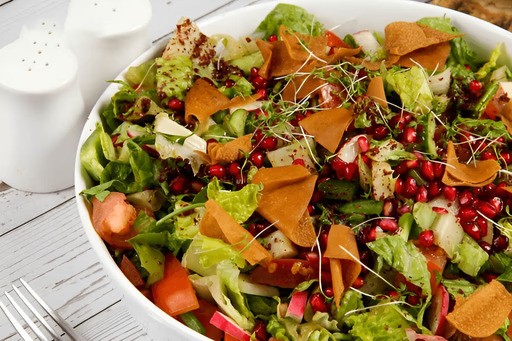
Plant-based diets are becoming increasingly popular as more people look for healthier, more sustainable ways to eat. Two of the most commonly discussed options are vegan and vegetarian diets, but many people are unsure about the differences between them.
While both diets focus on reducing or eliminating meat consumption, they are not the same. Vegetarians avoid meat but may still eat dairy products or eggs. Vegans, on the other hand, remove all animal-derived products from their diet and often from their lifestyle as well.
Understanding the differences between vegan and vegetarian diets can help you decide which option best aligns with your health goals, ethical values, and lifestyle preferences.

What Is a Vegetarian Diet
A vegetarian diet centres on plant-based foods while deliberately excluding meat, poultry, and seafood. Instead of animal flesh, vegetarians build their meals around vegetables, fruits, grains, legumes, nuts, and seeds. Many vegetarian diets also include dairy products like milk, cheese, and yoghurt, as well as eggs, which provide additional sources of protein and essential nutrients.
People choose a vegetarian diet for a range of practical reasons. Some adopt it to increase their intake of fibre-rich foods and reduce their saturated fat intake, while others are motivated by environmental concerns or animal welfare. Because certain animal products may still be included, vegetarian diets often offer more flexibility when planning meals or dining out, making them a common entry point for those exploring plant-forward eating habits.
Foods Vegetarians Avoid
Vegetarians eliminate foods that involve the direct consumption of animals. These foods are excluded from all vegetarian diets.
Common foods vegetarians avoid include:
Beef
Pork
Lamb
Chicken
Turkey
Fish and seafood
Gelatin or animal-derived broths
By removing meat products, vegetarians focus on plant-based foods and alternative protein sources.
Foods Vegetarians Can Eat
Unlike vegans, vegetarians often include some animal products in their meals. These foods provide additional sources of protein and nutrients.
Common foods vegetarians eat include:
Fruits and vegetables
Whole grains such as rice, oats, and quinoa
Legumes, including beans, lentils, and chickpeas
Nuts and seeds
Dairy products such as milk, cheese, and yoghurt
Eggs (depending on the type of vegetarian diet)
These foods form the foundation of a balanced vegetarian diet rich in fibre, vitamins, and minerals.
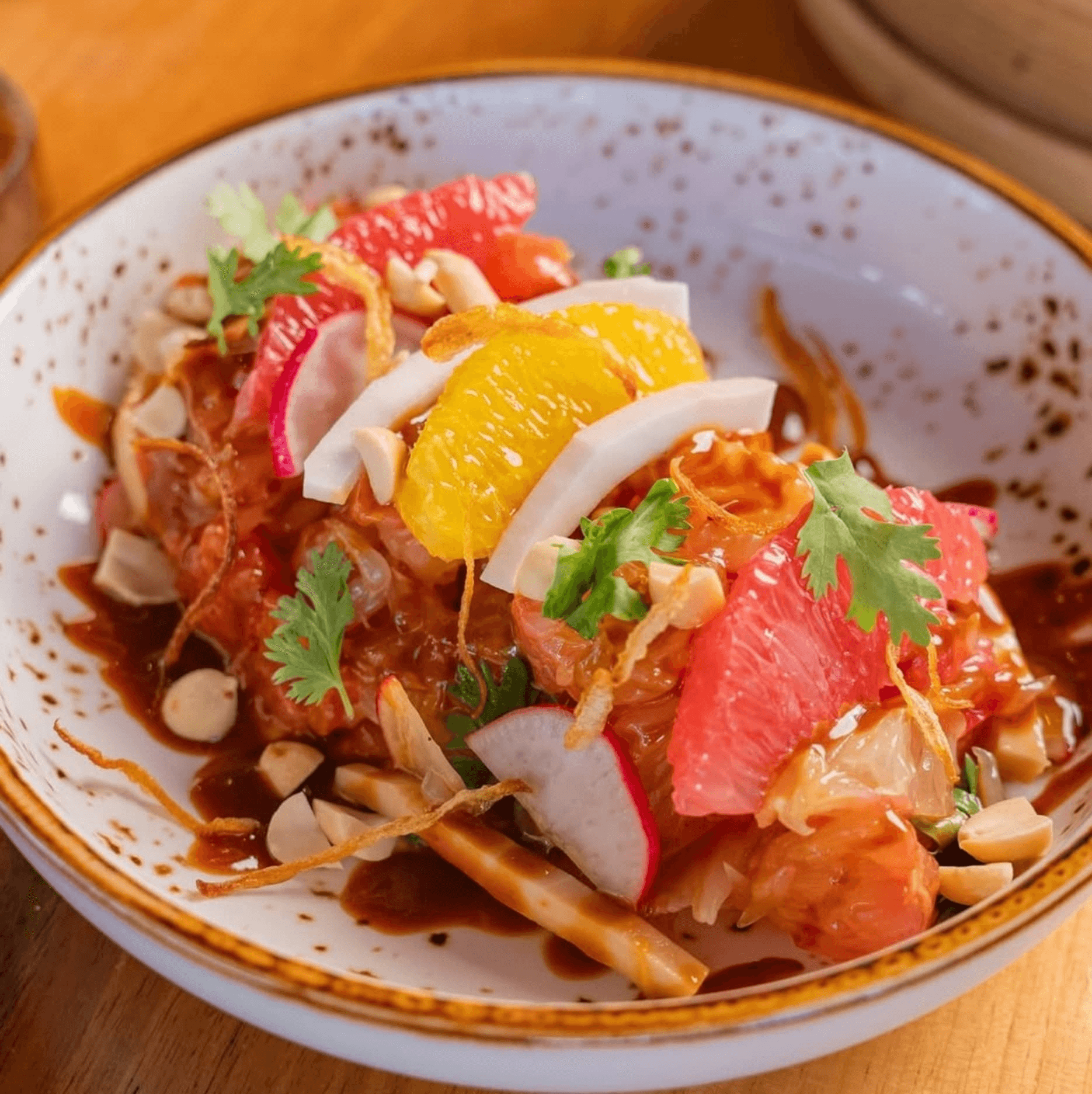
Types of Vegetarian Diets
Although the term vegetarian is often used broadly, not all vegetarians follow the exact same eating pattern. In practice, vegetarian diets vary depending on which animal-derived foods a person includes or excludes.
Some vegetarians consume dairy products, others eat eggs, and some include both. These variations have led to several recognised types of vegetarian diets, each with its own guidelines and nutritional considerations.
Understanding these different types can help people choose the vegetarian approach that best suits their health needs, ethical beliefs, and lifestyle preferences.
Lacto-Vegetarian
A lacto-vegetarian diet excludes meat, poultry, fish, and eggs, but still includes dairy products such as milk, cheese, yoghurt, and butter.
People who follow this diet rely on dairy as an important source of protein, calcium, and vitamin B12, nutrients that can otherwise be more difficult to obtain in a plant-based diet.
Lacto-vegetarian diets are particularly common in certain cultural and religious traditions. For example, many people in India follow lacto-vegetarian diets, where dairy products like yoghurt, paneer, and milk-based dishes are central to daily meals.
Because dairy remains part of the diet, lacto-vegetarians can still enjoy foods such as cheese sandwiches, yoghurt bowls, and milk-based desserts, while avoiding meat and eggs.
Ovo-Vegetarian
In contrast, ovo-vegetarians exclude meat, fish, poultry, and dairy products but continue to eat eggs.
Eggs serve as a convenient and nutrient-dense food in this diet. They provide high-quality protein, vitamin B12, vitamin D, and essential amino acids, making them a valuable addition for people who avoid dairy products.
Ovo-vegetarian diets are less common than other vegetarian patterns but can appeal to individuals who may be lactose intolerant or prefer to avoid dairy for ethical or environmental reasons.
Because eggs are versatile and easy to prepare, ovo-vegetarians can incorporate them into meals such as vegetable omelettes, egg salads, and baked dishes while still maintaining a meat-free lifestyle.
Lacto-Ovo Vegetarian
The lacto-ovo vegetarian diet is the most widely practised form of vegetarianism.
People following this diet avoid meat, poultry, and fish but include both dairy products and eggs in their daily meals.
This combination provides a wider range of food options and makes it easier to meet important nutritional needs. Dairy products contribute calcium and vitamin B12, while eggs offer protein and essential nutrients.
Because it allows both eggs and dairy, the lacto-ovo vegetarian diet is often considered the most accessible option for beginners transitioning away from meat.
Typical meals in this diet might include vegetable omelettes, pasta with cheese, yoghurt parfaits, or vegetable-based casseroles with eggs and dairy ingredients.
What Is a Vegan Diet?
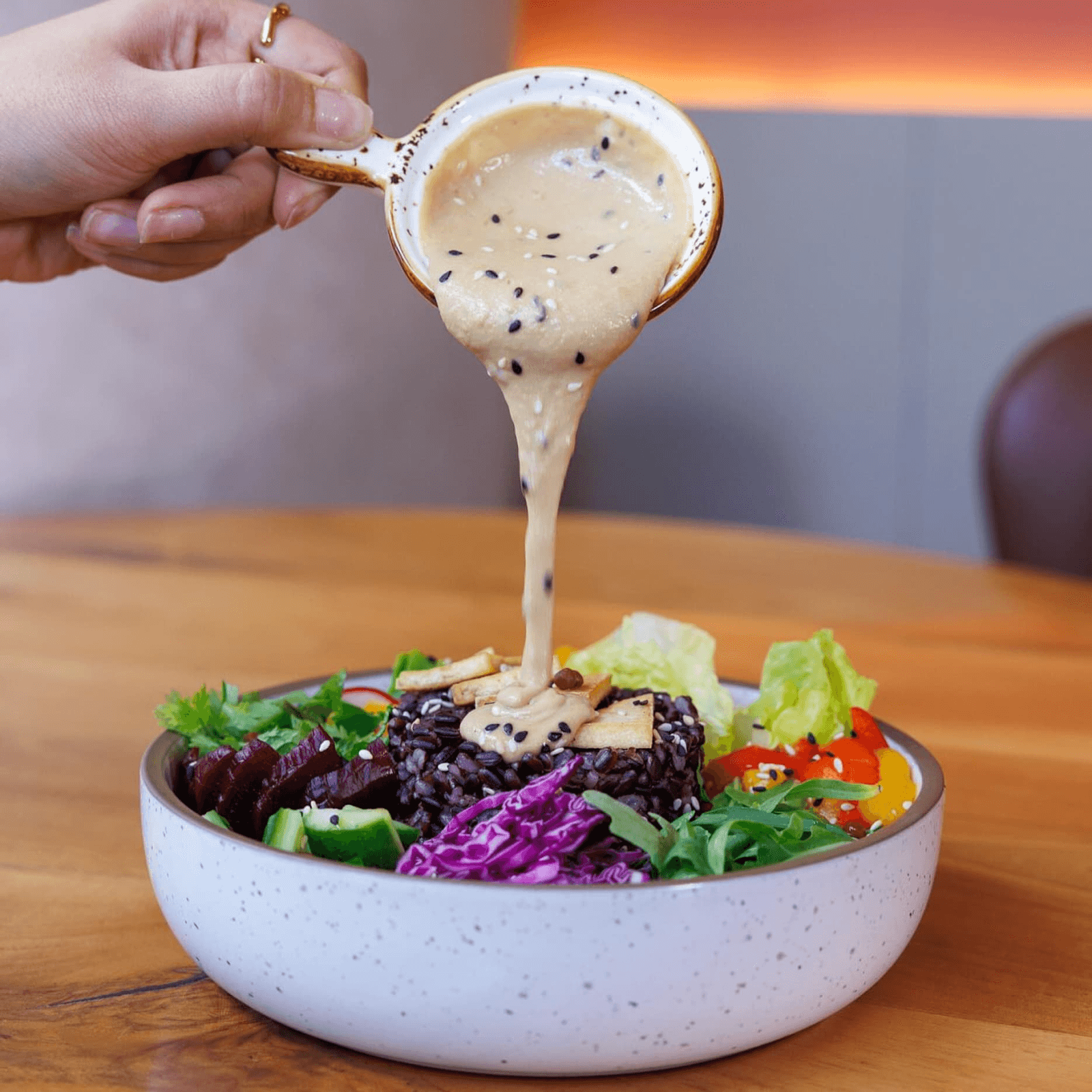
A vegan diet eliminates all foods that come from animals. Instead, vegans rely entirely on plant-based foods such as beans, lentils, tofu, whole grains, nuts, seeds, fruits, and vegetables to meet their nutritional needs. These ingredients form the foundation of many balanced vegan meals, from grain bowls and vegetable stir-fries to plant-based curries and hearty legume-based dishes.
For many people, veganism is not limited to what appears on their plate. It often reflects a broader commitment to reducing the use of animals in everyday life. As a result, individuals who follow a vegan lifestyle may also avoid products such as leather clothing, wool fabrics, and animal-tested cosmetics, aiming to support choices that align with animal welfare and environmental sustainability.
Foods Vegans Avoid
Vegans avoid any food derived from animals or produced using animal ingredients.
Foods excluded from a vegan diet include:
Meat (beef, pork, chicken, lamb)
Fish and seafood
Dairy products such as milk, cheese, and butter
Eggs
Honey
Gelatin
Animal-based additives such as casein or whey
These restrictions require vegans to carefully check ingredient labels when purchasing packaged foods.
Foods Vegans Eat
Despite these restrictions, vegan diets can still be diverse, nutritious, and satisfying when properly planned.
Common foods in a vegan diet include:
Fruits and vegetables
Whole grains such as brown rice, oats, and barley
Legumes, including lentils, beans, and peas
Nuts and seeds
Plant-based milk alternatives such as almond, soy, or oat milk
Plant-based meat alternatives
Tofu and tempeh
These foods provide the nutrients needed for a healthy diet while maintaining a fully plant-based lifestyle.
Key Differences Between Vegan and Vegetarian Diets
The primary difference between vegan and vegetarian diets lies in how strictly animal products are excluded.
Vegetarians avoid meat but may still consume animal products. Vegans eliminate all animal-derived products completely.
Meat | No | No |
Fish | No | No |
Dairy | Usually allowed | Not allowed |
Eggs | Sometimes allowed | Not allowed |
Honey | Often allowed | Not allowed |
Animal-derived ingredients | Sometimes | Never |
This comparison highlights how vegan diets are more restrictive but also more consistent with animal-free principles.
Philosophical and Ethical Differences
While both diets can support health and environmental goals, the motivations behind them may differ.
Many vegetarians choose the diet primarily for health reasons or personal preference.
Vegans, however, often adopt the lifestyle for ethical reasons related to animal welfare, environmental sustainability, or both.
These philosophical differences explain why veganism often extends beyond food choices.

Health Benefits of Vegan and Vegetarian Diets
When carefully planned, both vegan and vegetarian diets can support overall health and well-being. Because these diets emphasise whole plant foods such as fruits, vegetables, legumes, nuts, and whole grains, they often provide higher levels of fibre, vitamins, minerals, and antioxidants compared with diets that rely heavily on animal products.
These nutrient-dense foods play an important role in supporting heart health, maintaining a healthy body weight, and reducing the risk of certain long-term health conditions.
Naturally Supportive Heart Health
Plant-based diets typically contain lower levels of saturated fat and dietary cholesterol, two factors closely linked to cardiovascular health. By replacing red and processed meats with foods such as legumes, whole grains, and nuts, individuals can improve the overall nutritional profile of their meals.
Research consistently shows that people who follow vegetarian or vegan diets often experience lower blood pressure, improved cholesterol levels, and better heart health markers. Over time, these improvements may help reduce the risk of developing cardiovascular diseases such as heart attacks and strokes.
Effectively Support Healthy Weight Management
Many plant-based foods are naturally lower in calories yet higher in fibre, making them filling without contributing excessive energy intake. Foods such as vegetables, beans, lentils, and whole grains help promote satiety, meaning people tend to feel full for longer after eating.
Because of this, individuals following vegetarian or vegan diets may find it easier to maintain a balanced calorie intake and stable body weight. When combined with healthy lifestyle habits, plant-based diets can be a practical approach to long-term weight management.
Potentially Lower Risk of Chronic Diseases
A diet rich in plant-based foods may also help reduce the risk of several chronic health conditions. Fruits, vegetables, legumes, and whole grains contain a wide range of antioxidants, phytochemicals, and essential nutrients that support the body’s natural defence systems.
People who regularly follow plant-based diets may experience a lower risk of conditions such as:
Heart disease
Type 2 diabetes
Certain types of cancer
Obesity-related health complications
By prioritising nutrient-dense foods and reducing highly processed products, vegan and vegetarian diets can contribute to better long-term health outcomes and overall well-being.

Which Diet Is Right for You
Choosing between a vegan and a vegetarian diet depends on your personal goals, beliefs, and lifestyle preferences.
Some people prefer vegetarian diets because they are more flexible and easier to maintain, especially when dining out or travelling.
Others choose vegan diets because they align more closely with their ethical or environmental values.
Final Thoughts on Vegan vs Vegetarian Diets
Both vegan and vegetarian diets offer valuable benefits for health, sustainability, and ethical living. While vegetarians avoid meat but may still eat dairy and eggs, vegans remove all animal-derived products from their diet and lifestyle.
Choosing the right option ultimately depends on your goals and preferences. What matters most is maintaining a balanced diet that provides your body with the nutrients it needs.
We believe that informed choices lead to healthier lifestyles. If you’re interested in more insights on nutrition, wellness, and sustainable living, explore our latest articles and guides for practical tips you can apply every day.
Frequently Asked Questions