













Jan 16, 2026
What is Specialty Coffee? Key Differences from Commercial‑Grade Beans


Have you ever wondered why your café latte from a cosy local bakery tastes worlds apart from the one at a chain store, even when both claim to use Arabica beans? The truth lies deeper than branding. As more coffee lovers seek quality, ethics, and flavour in their cup, the difference between speciality coffee and commercial-grade beans has become a defining question for conscious consumers.
In this article, we’ll break down exactly what specialty coffee is, how it stands apart from mass-market brews, and why it’s worth the extra dirhams. Whether you’re exploring the cafés at Social Distrikt or just curious about what makes a great cup, this guide will help you sip smarter.
What is Specialty Coffee?
Speciality coffee refers to the highest grade of coffee, defined by exceptional quality from farm to cup. According to the Specialty Coffee Association (SCA), it must score at least 80 points on a 100-point scale during a formal grading process. This score takes into account factors like flavour, aroma, acidity, body, and the absence of defects.
Unlike generic or mass-produced coffee, specialty coffee is typically grown in ideal climates at higher altitudes, hand-picked for ripeness, and processed with precision to preserve unique flavour notes. It’s traceable to its origin and is often produced using sustainable, ethical practices.
Key Differences of Specialty Coffee Beans and Commercial Coffee Beans
Feature | Specialty Coffee Beans | Commercial Coffee Beans |
Grade | 80+ SCA score | Below 80, often ungraded |
Sourcing | Single-origin, traceable | Mass-blended |
Flavor | Nuanced, complex | Uniform, flat |
Roasting | Light to medium, preserves origin flavor | Dark roast masks defects |
Price | Premium pricing | Affordable mass market |
Availability | Specialty cafés, online, small-batch roasters | Supermarkets, chain stores |
While both specialty and commercial coffee begin as beans from the same plant species, the journey they take from farm to cup is entirely different. Understanding these differences helps explain why specialty coffee stands out in flavour, ethics, and overall experience.
Origins and Sourcing
Speciality coffee is typically sourced from single-origin farms or micro-lots, where growing conditions, such as altitude, climate, and soil, are carefully managed to enhance flavour. These beans are traceable, ethically sourced, and often purchased through direct trade, ensuring fair compensation for farmers.
In contrast, commercial coffee is usually mass-produced, blended from multiple anonymous sources, and prioritises volume and low cost over traceability or sustainability.
Quality and Flavor Profiles
To qualify as a specialty, coffee must score at least 80 points on a 100-point scale, indicating superior quality, cleanliness, and complexity. These beans often exhibit distinct flavour notes, such as berry, citrus, or chocolate, and are free of defects.
Commercial coffee, on the other hand, tends to be lower-grade, with simpler, bitter, or flat flavour profiles, often caused by inconsistent beans and over-roasting to mask imperfections.
Processing and Roasting
Speciality coffee is processed using methods such as washed, natural, or honey processing, tailored to bring out the unique character of each bean. Roasting is done in small batches with a focus on preserving flavour, usually resulting in lighter or medium roasts.
In contrast, commercial coffee is processed at scale, often with less precision, and roasted dark to ensure uniformity and a longer shelf life, sacrificing flavour nuance.
Price and Perceived Value
Speciality coffee generally costs more due to its higher quality, traceability, and ethical sourcing practices. Consumers pay not just for better taste, but for sustainability and fair treatment of producers.
Commercial coffee is priced for mass affordability, but the lower cost often reflects compromises in quality, labour conditions, and environmental impact.
What Makes a Specialty Coffee Shop Different
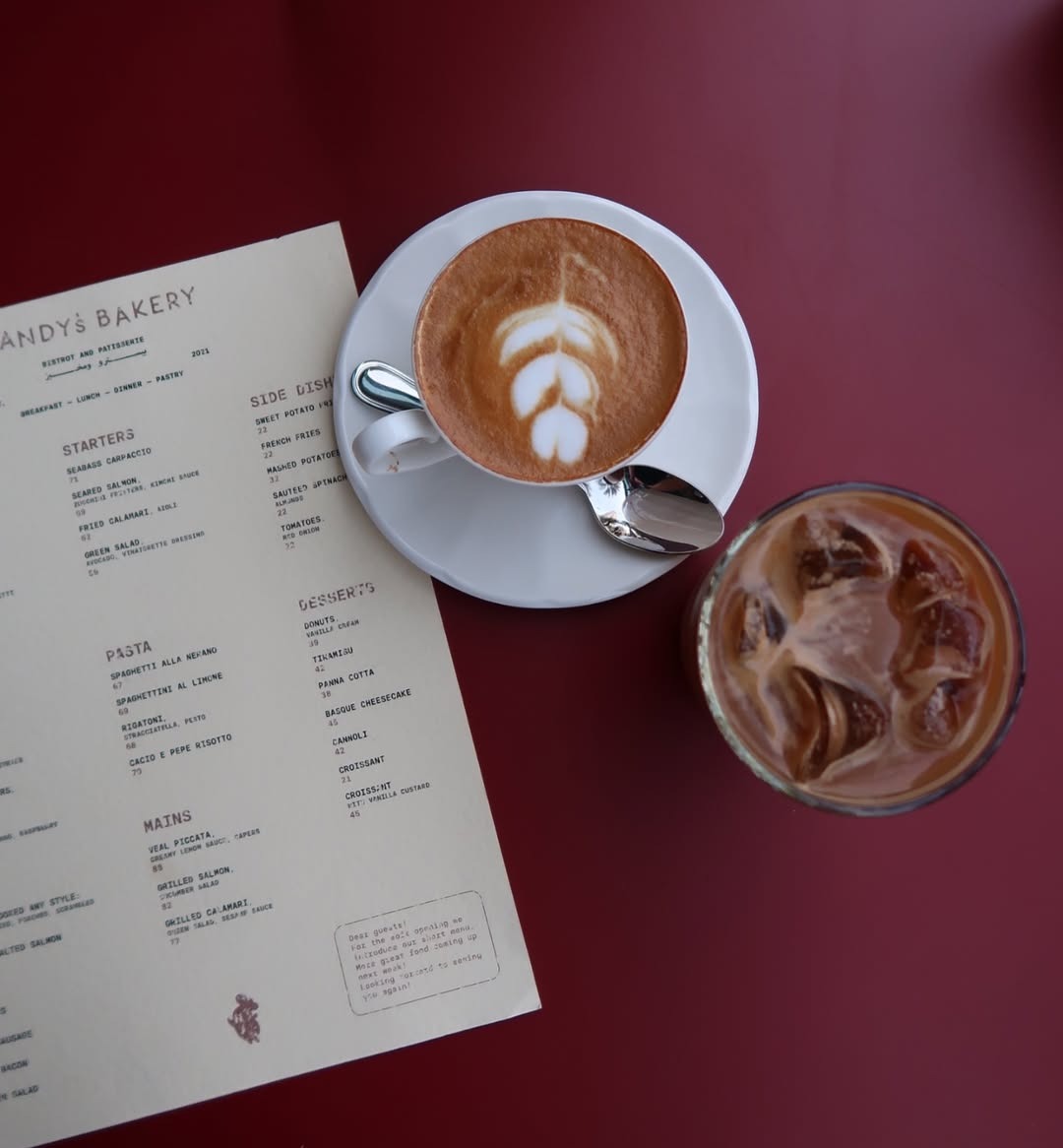
A specialty coffee shop focuses on precision, transparency, and quality throughout the coffee-making process. Unlike commercial cafés, their goal is not just to serve coffee quickly, but to prepare each cup with attention to detail that highlights the unique characteristics of the beans.
Freshness and Roasting
Beans used are roasted in small batches, typically within the last two to three weeks. Roast profiles are chosen to enhance the bean’s natural flavours, not to create a uniform taste.
Grind and Brew Control
Coffee is ground fresh to order, with grind size adjusted for the brewing method. Coffee-to-water ratios are precisely measured, and water temperature is controlled between 90–96°C to ensure optimal extraction.
Manual Brewing Options
Methods such as pour-over (V60, Chemex), AeroPress, and siphon brewing are available alongside espresso. These methods allow for better control over extraction time, clarity, and balance.
Skilled Baristas
Staff are trained in advanced techniques, including espresso calibration, milk steaming, flavour evaluation, and equipment maintenance. They follow consistent recipes and quality checks for every drink.
Tasting and Education
Customers can learn about tasting notes, roast levels, and origin details. Some cafés offer tasting flights or brewing classes to deepen understanding.
Minimal Use of Syrups or Additives
Specialty shops rarely rely on flavoured syrups or heavy milk ratios. The emphasis is on letting the coffee’s natural flavours, like citrus, floral, or chocolate notes, stand out.
Specialty Coffee at Social Distrikt

At Social Distrikt, specialty coffee is part of a broader food-and-beverage ecosystem that values quality, craftsmanship, and thoughtful sourcing. Rather than treating coffee as an add-on, selected vendors integrate specialty-grade coffee into their offerings, ensuring it complements their food and overall dining experience.
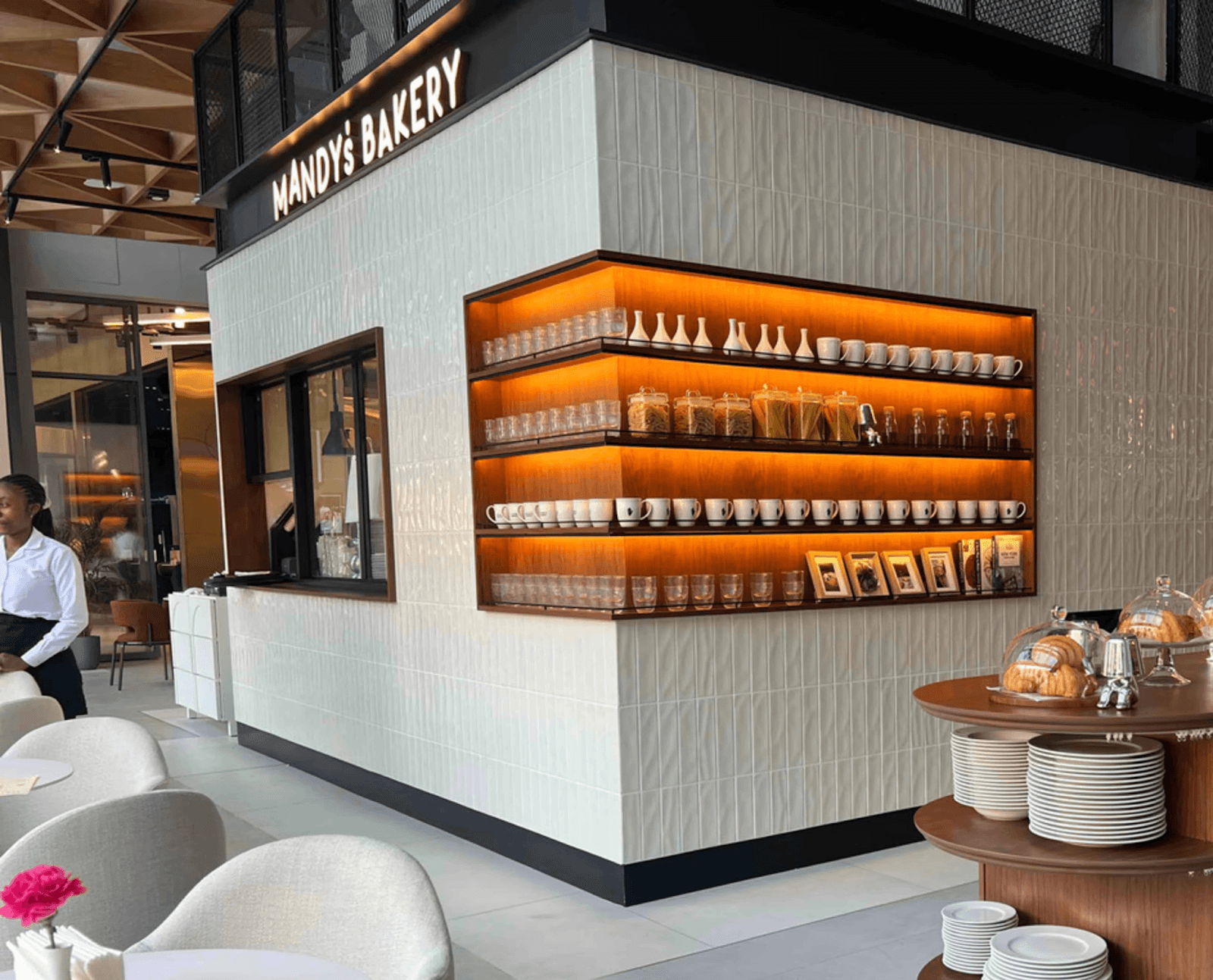
Mandy’s Bakery
Mandy’s Bakery integrates specialty coffee into its daily menu, prioritizing accessibility and consistency. Beans are selected to complement the bakery’s wide range of pastries, from buttery croissants to rustic sourdough.
The team prioritises flavour balance, offering well-rounded brews that are easy to enjoy whether taken black or with milk. While the menu avoids overly complex profiles, it delivers on quality through freshly ground beans, precise milk steaming, and consistent extractions, ideal for customers seeking a dependable, high-quality cup alongside their baked favourites.
Shaka Waka
Each cup is brewed from carefully selected premium beans, expertly roasted to unlock rich aromas, layered flavors, and a smooth, satisfying finish. Whether you prefer it strong and robust or silky and mellow, every sip delivers a balanced taste that lingers long after the last drop.
Perfect for slow mornings or midday resets, Shaka Waka’s specialty coffee blends quality with character. Once you taste the depth and freshness in every cup, ordinary coffee simply won’t compare.

Frequently Asked Questions