













Feb 10, 2026
What Is Halal Food? Rules and Practices

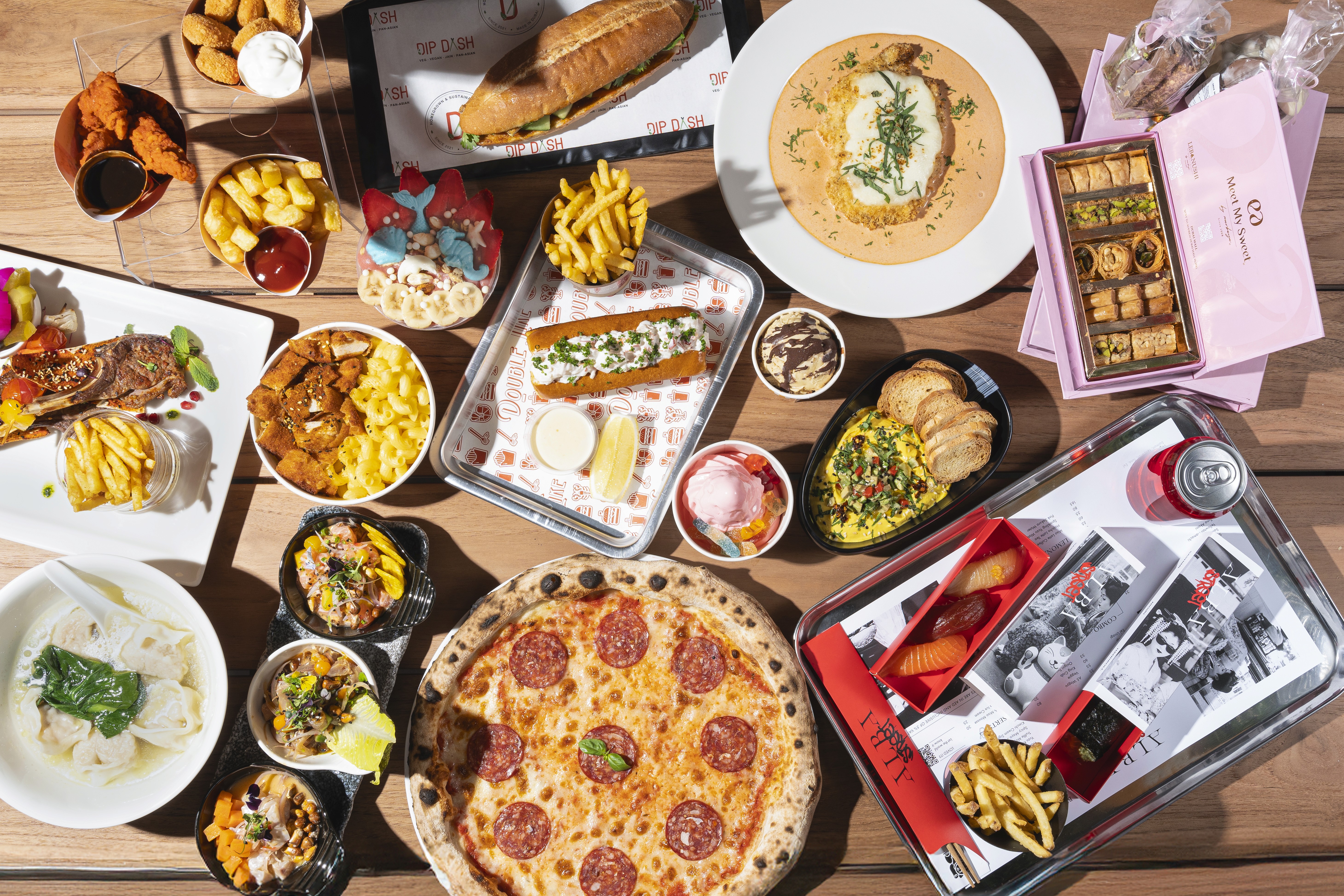
If you love trying new cuisines, dining with friends, and spending time in places where food brings people together, you’ve probably noticed halal food on menus. You might have wondered what it actually means, how it’s prepared, or whether it matters if you’re not Muslim.
We bring flavours from around the world under one roof, creating a dining experience that is inclusive, relaxed, and truly social.
In this guide, we’ll explain what halal food is, how it is prepared, and why it matters not only for religious reasons, but also culturally and socially, so you can enjoy your meals with confidence.
Learn What Halal Food Means
Many people search for “halal meaning” to understand what it entails for the food they eat. Halal is an Arabic word that means “permissible” or “allowed.” In terms of food, it refers to what Muslims are allowed to eat according to Islamic dietary guidelines.
Halal is more than just a list of do’s and don’ts. It’s a holistic approach that considers:
Ingredients
Sourcing
Preparation
Cleanliness
Ethical treatment of animals
Food that follows these principles is halal, while food that doesn’t is called haram, meaning not permitted. Knowing these guidelines helps diners make informed choices that respect cultural traditions and personal preferences.
Why Halal Food Matters in Shared Dining
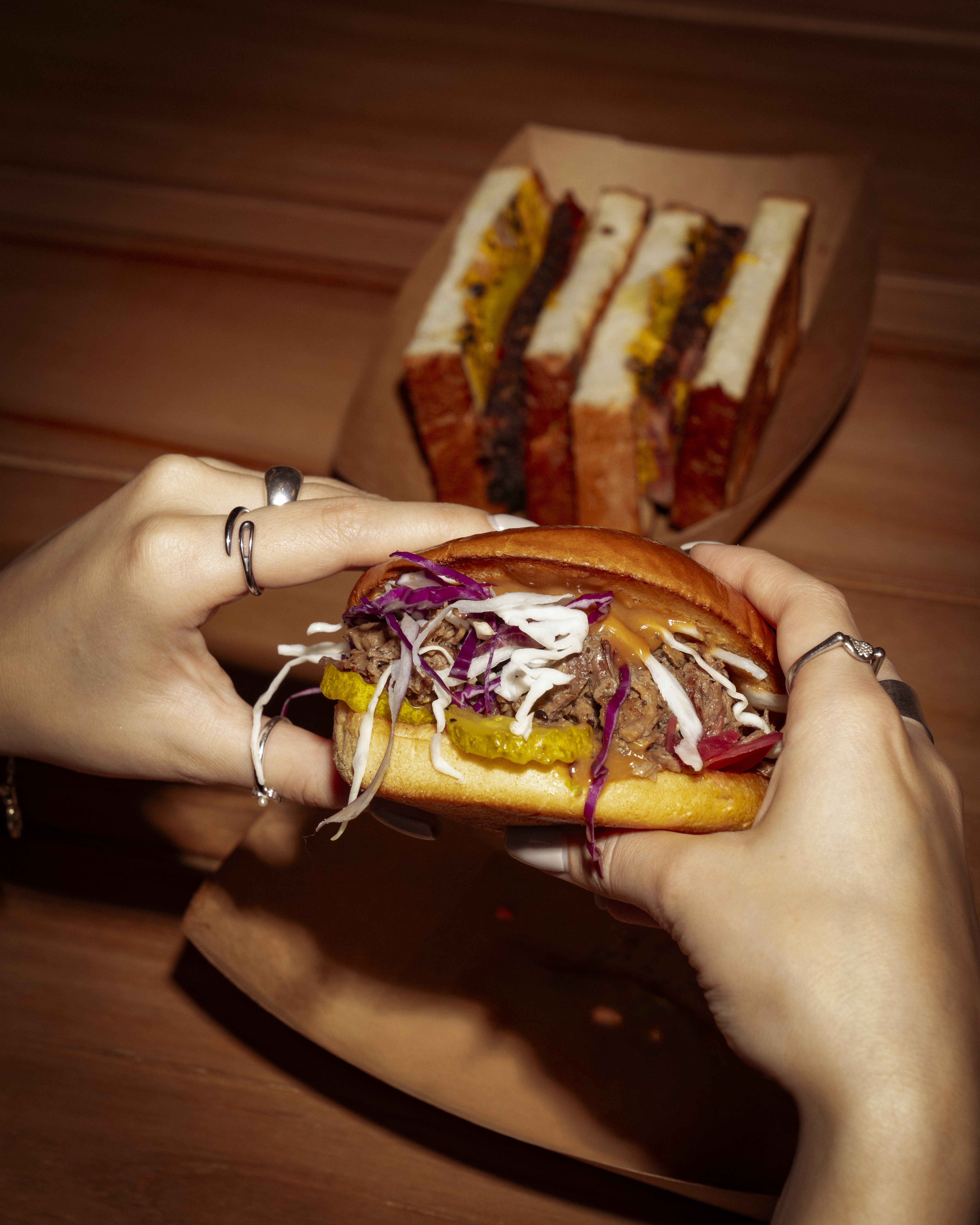
Food halls, entertainment venues, and group dining spots are about more than eating; they’re about connection.
From real hospitality experience, halal options make shared dining simpler. Friends, families, and colleagues don’t need to split tables or overthink menu choices. Everyone can order comfortably, relax, and enjoy the moment together, which is exactly what social dining is meant to be.
That’s why halal food fits naturally alongside vegetarian, vegan, and allergen-aware options in modern hospitality.
Follow Core Rules of Halal Food
Halal food is guided by clear rules to ensure what you eat is clean, ethical, and permissible. Knowing these guidelines helps you make informed choices when dining out or exploring new cuisines.
See Which Foods Are Halal
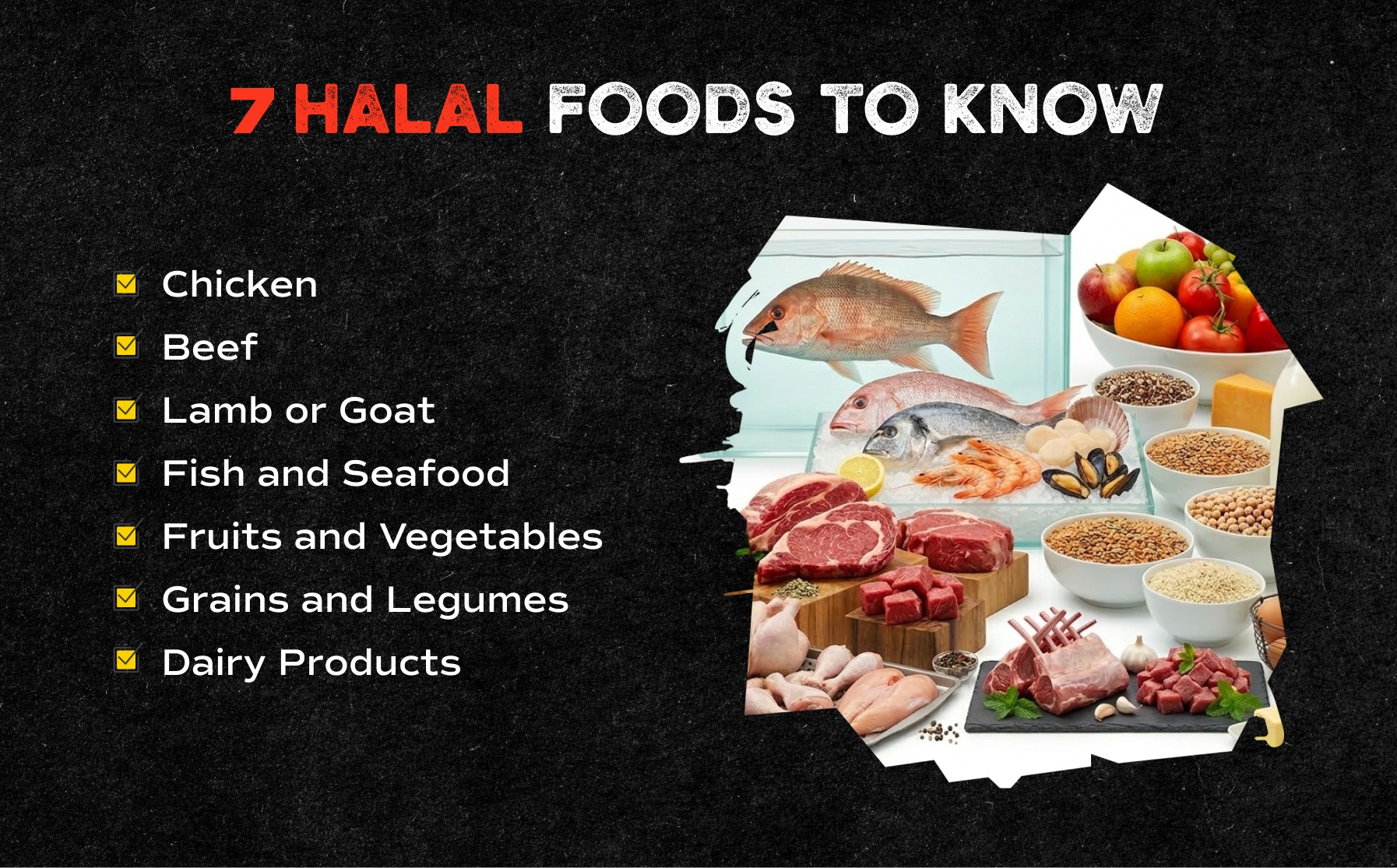
Many everyday foods are halal by default, including:
Fruits and vegetables
Grains, rice, bread, and legumes
Dairy products (when free from alcohol or non-halal enzymes)
Fish and seafood (accepted by most Islamic traditions)
This is why many halal dishes look no different from meals you already enjoy.
Know Which Foods Are Not Halal
Some ingredients are not permitted, including:
Pork and pork by-products
Alcohol and alcohol-based flavourings
Blood and blood products
Meat not prepared according to halal guidelines
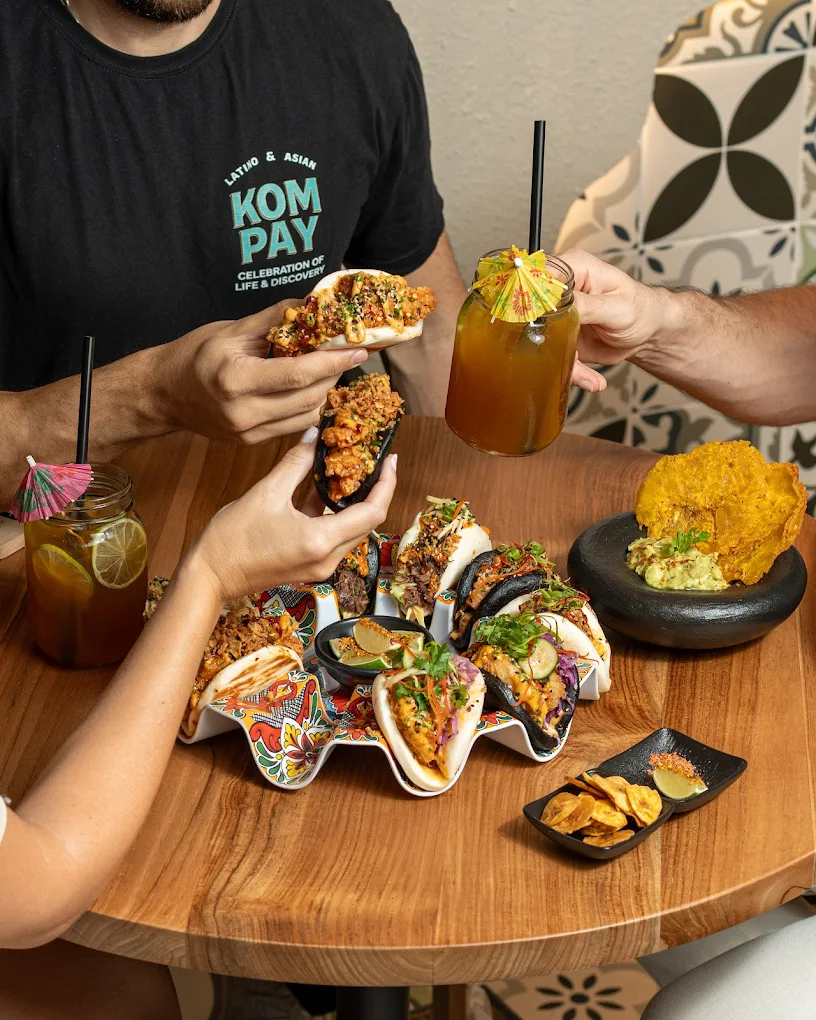
In busy kitchens and food halls, careful handling and clear processes are essential to maintain compliance.
Learn How Halal Meat Is Prepared
Halal meat is more than just a type of food. It comes from permitted animals, such as chicken, beef, lamb, or goat, and is prepared following strict halal guidelines. The focus is on process, ethics, and respect, not flavor. Understanding how halal meat is prepared helps you feel confident about what’s on your plate.
Preparation Standards
To be considered halal, meat must meet specific preparation standards:
The animal must be healthy at the time of slaughter
A trained Muslim performs the slaughter
A sharp blade is used in one swift motion to minimize suffering
Blood is fully drained, as consuming blood is prohibited
A blessing is recited to acknowledge the sanctity of life
When these standards are followed, halal meat aligns with high levels of animal welfare, hygiene, and ethical practices, making it safe, trustworthy, and ethically sourced.
Why It Matters
Understanding halal meat preparation isn’t just about following rules. It reflects care for animals, transparency in sourcing, and respect for cultural and dietary practices. By offering halal meat, we ensure everyone can enjoy their meal comfortably, knowing it’s prepared with integrity and attention to detail.
Check What Halal Certification Means
Halal certification indicates a business has been assessed by a recognised authority to meet halal standards. Certification typically covers:
Ingredient sourcing
Meat suppliers and slaughter methods
Kitchen layout and cross-contamination controls
Staff training and food handling practices
For our diners, certification provides reassurance about hygiene, ethical preparation, and compliance. We see it as a reflection of our transparency and commitment to inclusive dining, upholding the same values in our halal meat preparation.
Who Can Enjoy Halal Food?
While halal guidelines come from Islamic tradition, halal food is enjoyed by people of all backgrounds. Many choose it because they value:
Ethical sourcing
Clean preparation
Clear standards and transparency
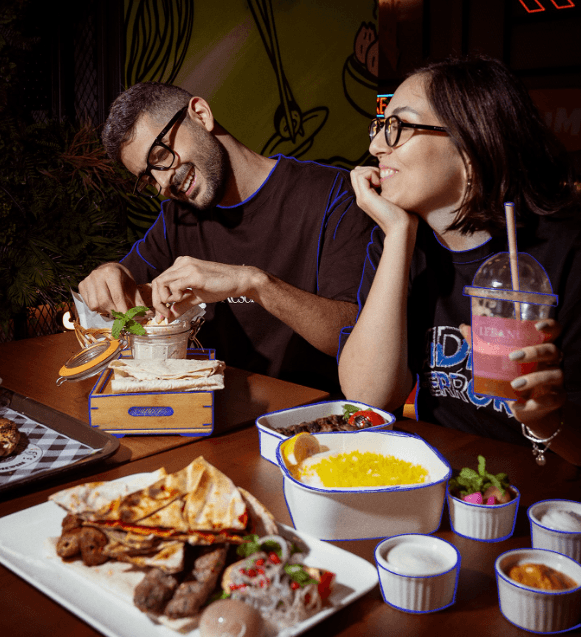
In social dining spaces, halal food often becomes a natural “safe choice” for mixed groups, helping everyone feel considered.
Compare Halal Food with Other Dietary Labels
Understanding how halal compares to other food labels can help you choose with confidence and make dining more inclusive. Here’s a quick guide:
Food Type | Key Focus | Who Can Eat It? |
Halal | Permitted ingredients, ethical preparation, and compliance with Islamic dietary rules | Everyone |
Kosher | Follows Jewish dietary laws, includes clean and ritual slaughter, and separates certain foods | Often everyone |
Vegetarian | No meat or fish; focuses on plant-based foods | Everyone |
Vegan | No animal products at all, including dairy, eggs, and honey | Everyone |
Halal food is ethical, clean, and widely accepted, making it a great choice for shared tables in social dining. Paired with vegetarian, vegan, or kosher options, it helps venues offer truly inclusive menus.
Debunk Common Myths About Halal Food
Myth 1: Halal food tastes different
Taste comes from ingredients, spices, and cooking skill, not the halal label. A well-prepared halal dish tastes just as delicious as any other meal.
Myth 2: Halal food is hard to find
Halal options are increasingly common in multicultural cities, food halls, and venues designed for social dining. You’ll often find them alongside vegetarian, vegan, and other inclusive choices.
Myth 3: Halal is purely religious and restrictive
While rooted in faith, halal today also reflects cultural heritage, ethical sourcing, and modern food values. It’s a choice that everyone can enjoy without compromise.
Identify Halal Food Easily When Dining Out
Knowing which dishes are halal can make dining out easier and more enjoyable. If you’re unsure:
Look for halal labels or certification
Ask staff how dishes are prepared
Check whether alcohol is used in cooking
Transparency and communication build trust, making the dining experience inclusive and enjoyable.
Why Halal Food Brings People Together
Food has always been a way to connect. When you understand what halal food means, barriers disappear.
We bring global flavours, shared tables, and social energy together to create an experience where everyone can relax. Understanding halal food helps our guests focus on enjoying the food, the company, and the atmosphere, not worrying about what’s on their plate.
Halal food isn’t just about rules. For us, it’s about respect, inclusion, and making space for everyone at the table.

Share, Savor, and Celebrate Halal Food
Knowing what halal food is makes dining more enjoyable, inclusive, and connected. Whether you’re exploring new cuisines, organising a group outing, or simply curious about global food culture, understanding halal helps you navigate menus with confidence and share meaningful experiences with the people around you.
At the end of the day, great hospitality isn’t just about what’s served. It’s about how welcome everyone feels while sharing it.
Frequently Asked Questions